


Today I watched this video from Rajiv Surendera on YouTube, called Why I Follow My Creative Impulses. Rajiv is, in the truest and best sense of the phrase, a Renaissance man.
The idea of a Renaissance man is, in the modern era, often looked down upon as someone who dabbles in many things, never really focusing and never really getting good at any of them.
I’ve historically been critical of myself for this, thinking that if only I could knuckle down and focus on one thing, instead of loving writing fiction and papercrafting and travel and history and art and relationships and psychology, I would be more successful.
But the original concept of the Renaissance man was an ideal, with man at the center, at his best, able to and — importantly — worthy of accomplishing great things in a wide scope of activities. A Renaissance man might excel at painting, sculpture, poetry, anatomy, cartography, botany, and architecture — and, instead of this beggaring belief, it would feel like the most natural thing in the world.
For me, Rajiv Surendera is an echo of that lost world of Renaissance men. He’s classy and stylish, with a finely tuned eye for design that elevates. He sculpts; he makes candles; he writes letters by hand. The New York Times writes about his organizational skills; HGTV shares a tour of his apartment. He plays duets with a banjo-ist (banjo-neer?). He cooks from scratch.
He once acted in a movie you might have heard of, but it has no bearing on the delightful, creative life he’s living and sharing now.
People in YouTube comments ask if he’s from this planet. He is an anomaly in today’s culture, but he is, most decidedly, and most naturally, from this planet — more than those who are not like this.
I don’t know exactly how long I’ve been following him — a year? Two? The Facebook algorithm presented me with his Facebook page, and I said, who is this incredibly fascinating fellow? He was spinning wool on an old spinning wheel.
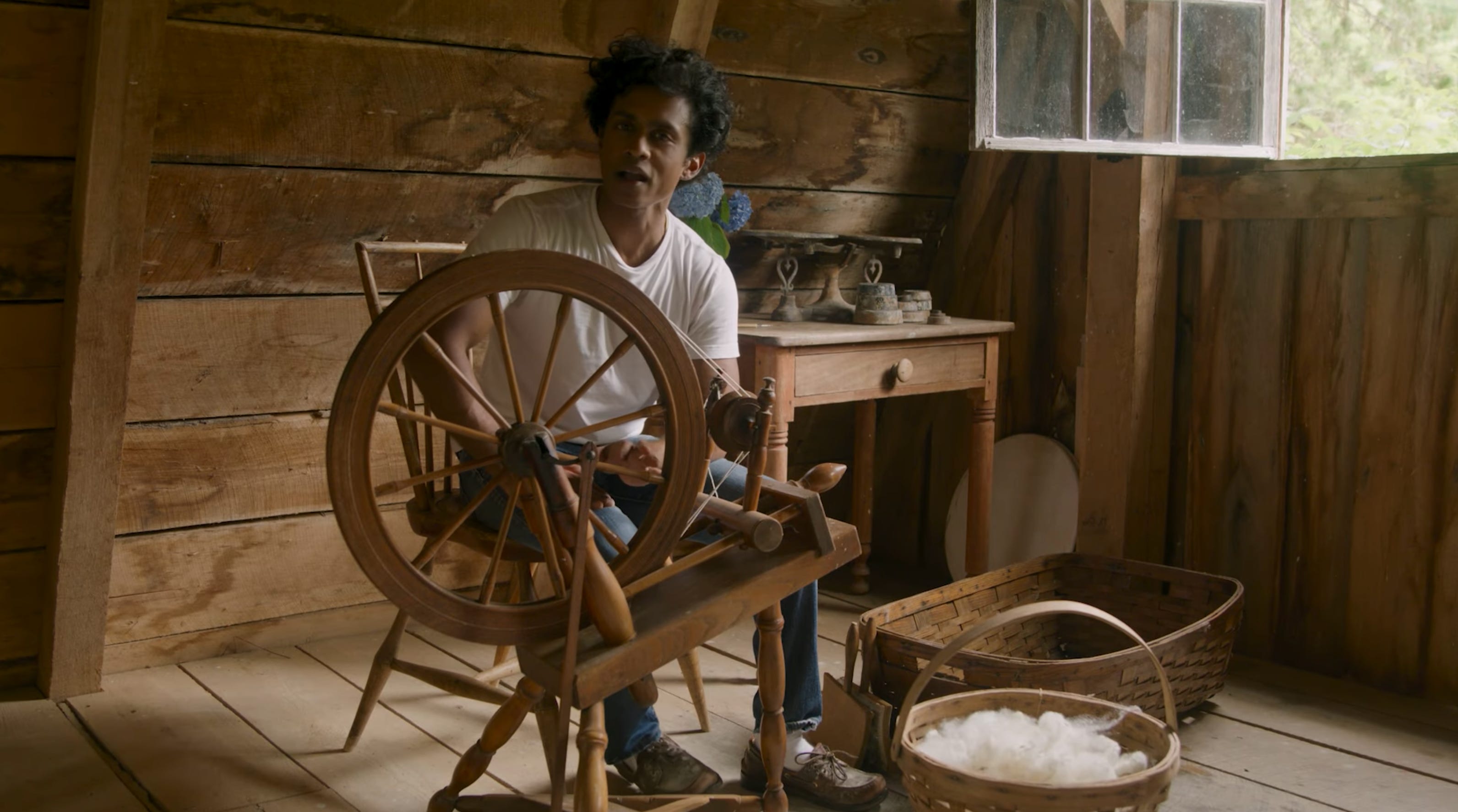
Rajiv is, in many ways, the embodiment of what Heartbeat achieves through travel: filling life up with moments of wonder. With the pursuit of wonder. The pursuit of a life full of curiosity, a life that sings with delight in exactly the kind of things Rajiv spends his time on. Wax seals on letters written with an ink quill on antique rag paper with a deckled edge — this is what his doings feel like to me.
The video I watched today starts with him talking about how he’s making a doll’s head out of Plasticine so he can make a plaster mold of it that he’ll use to add decor to flower pots he makes. (He first did this with a sculpture he made based on a Neoclassical man’s head on a building in Munich; I mean, who does this?)
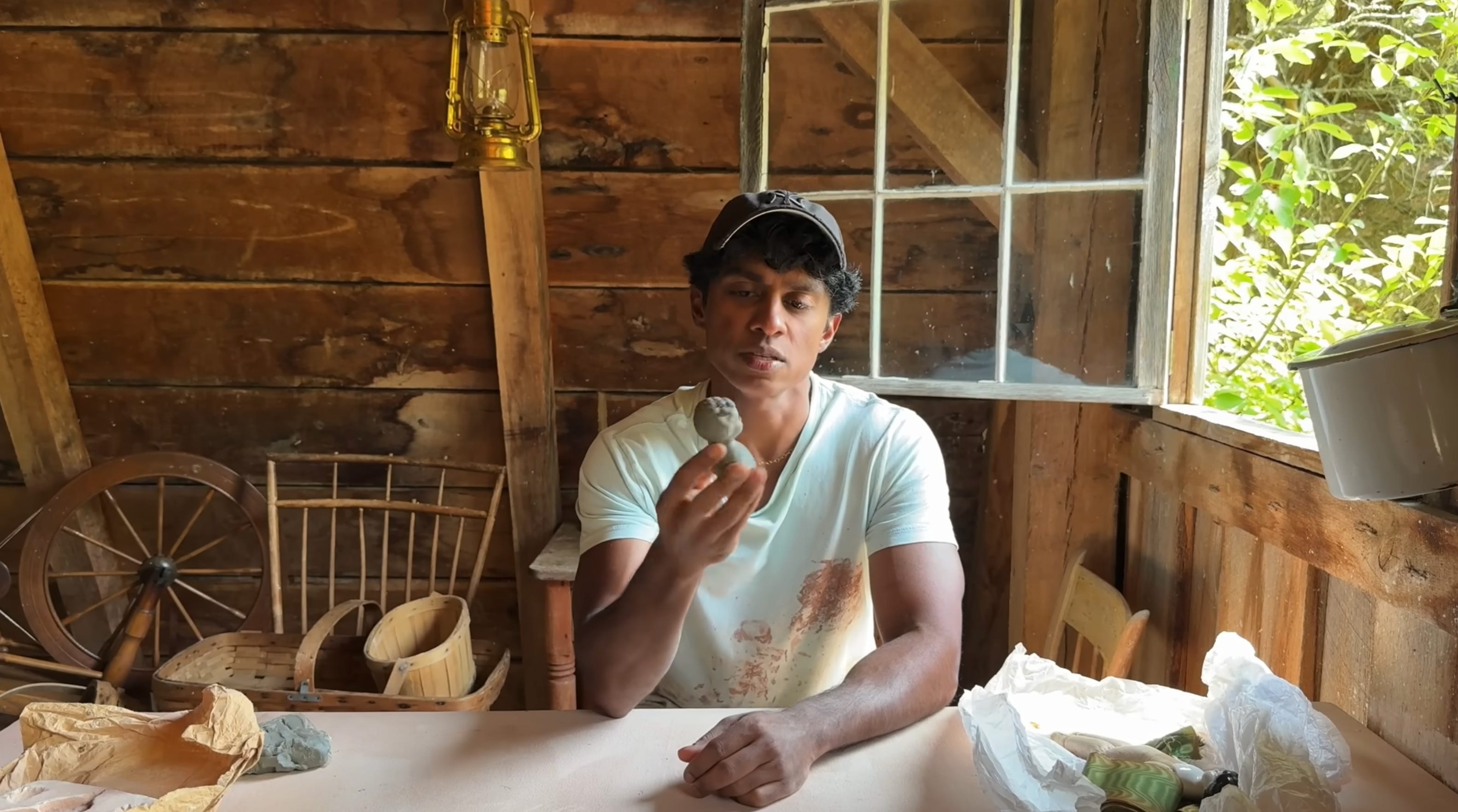
The broader theme of the video has to do with letting yourself pursue your creative interests without giving in to the urge to justify them to yourself. Without needing to have a plan to sell them in order to give value to listening to what strikes you, to let yourself follow what calls you to make it.
He says, “Don’t pull yourself out of the present moment of doing it just because you want to do it.”
This is actually quite hard.
It reminds me of something Peter Keating said in The Fountainhead by Ayn Rand: “It’s the hardest thing in the world — to do what we want. And it takes the greatest kind of courage.”
We’re relentlessly taught, instead, to ignore what we want, to do what others want from us, to give ourselves and our time away, away, away; to only do things if we can guarantee they have some productive value to someone else (or even a specifically financial value to ourselves).
There’s an approach here, a methodology and mindset, that we can apply to our travel specifically, both in how we plan and how we behave while in foreign lands, but there are also broader lessons for how we think about our lives.
Rajiv honors his interests. When his curiosity catches on something, he follows it. He lets himself pursue the things he wants; he makes room for them in his life, financially and with his time. It’s not just that he gives himself permission; it’s that he actively encourages himself to chase the things that make him light up.
This has led to a life rich with intriguing, widely varying creative pursuits (and ultimately to one in which he makes a living from these things, but that was not the point or drive from the start).
I fall into this trap with everything I love (“How can I make money from this?” “Should I even do it if I can’t?”), and even starting this newsletter, another, different thing I love, engenders criticism from my strict inner judge.
But Rajiv’s approach to his creativity is the same fundamental principle at the base of how I think about travel (and about building a life full of wonder). It must start with letting yourself want.
It starts with noticing a place or an experience or an activity that makes your heart beat faster, and letting yourself explore what it might look like for you to actually experience it. Letting your curiosity catch on something, and then following it and believing in it, without criticism, enough to make it real, the same way Rajiv does with his widely varying creative projects.
I’m grateful to Rajiv Surendera for setting the example of a true Renaissance man, and for the calm beauty of his work, his presence, and his quiet dedication to following his creativity wherever it takes him.
It matters.
Baths are everything! 🫧