


One of the worst possible moments to have: you’re in a country far from home, where you don’t read, let alone speak, the language, for the first time, and you’re standing at the hotel check-in desk, looking in your bag, in the pocket inside, where you know you put your passport, the pocket you’ve been carrying your passport in nonstop for the last two weeks… and it isn’t there. It isn’t there, and you know it isn’t anywhere else in your things, because this is the only place you would have put it.
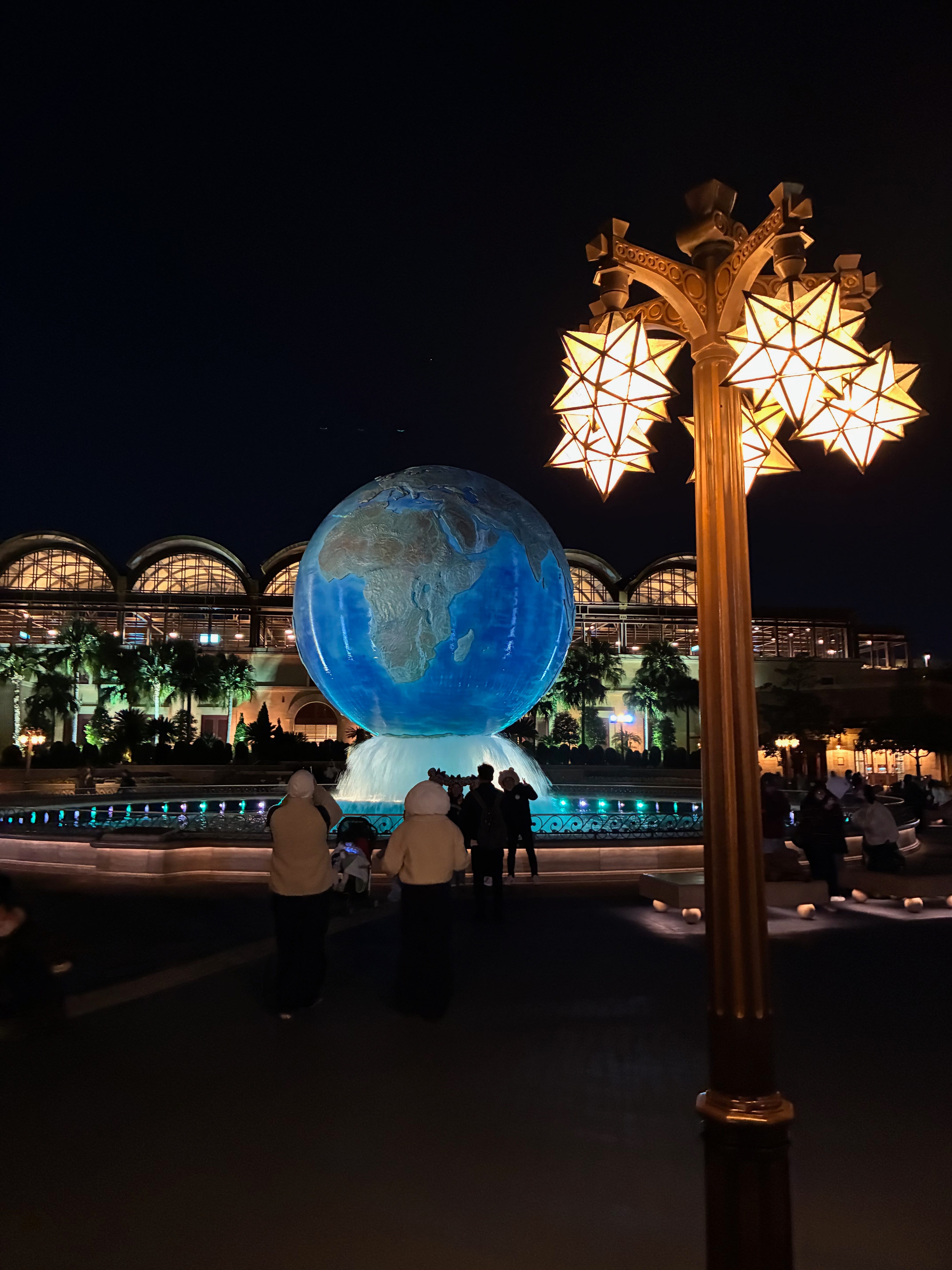
I was at Tokyo Disney. It was 9:30 PM, after park close, and I was standing at the check-in desk at the Hotel Mira Costa, trying to pick up my vacation package, which started the following morning with a day at Disneyland. I’d traveled by Shinkansen that morning from Hiroshima, dropped my bag at the Hilton, then spent the afternoon and evening at Ikspiari and DisneySea.
It’s hard to imagine a worse feeling than the pure anxiety that exploded in my chest, looking at the patient Japanese man waiting for me to produce my passport, and knowing I was not going to be able to, thinking of how very many places I had been that day, and that I also hadn’t checked in to the Hilton yet… I had no other ID on me; I’d left my drivers license at home.
Fortunately the man at the Mira Costa took pity on me and gave me my vacation package anyway. I got back onto the Resort Liner, my heart beating so hard I felt like I might die, my mind racing a mile a minute on what in the world I was going to possibly do, was I going to miss out on my Disney plans? Was I going to have to head to the embassy to get a new passport? Fortunately, at least, I had another two weeks in Tokyo, so I had some time if I did have to do this.
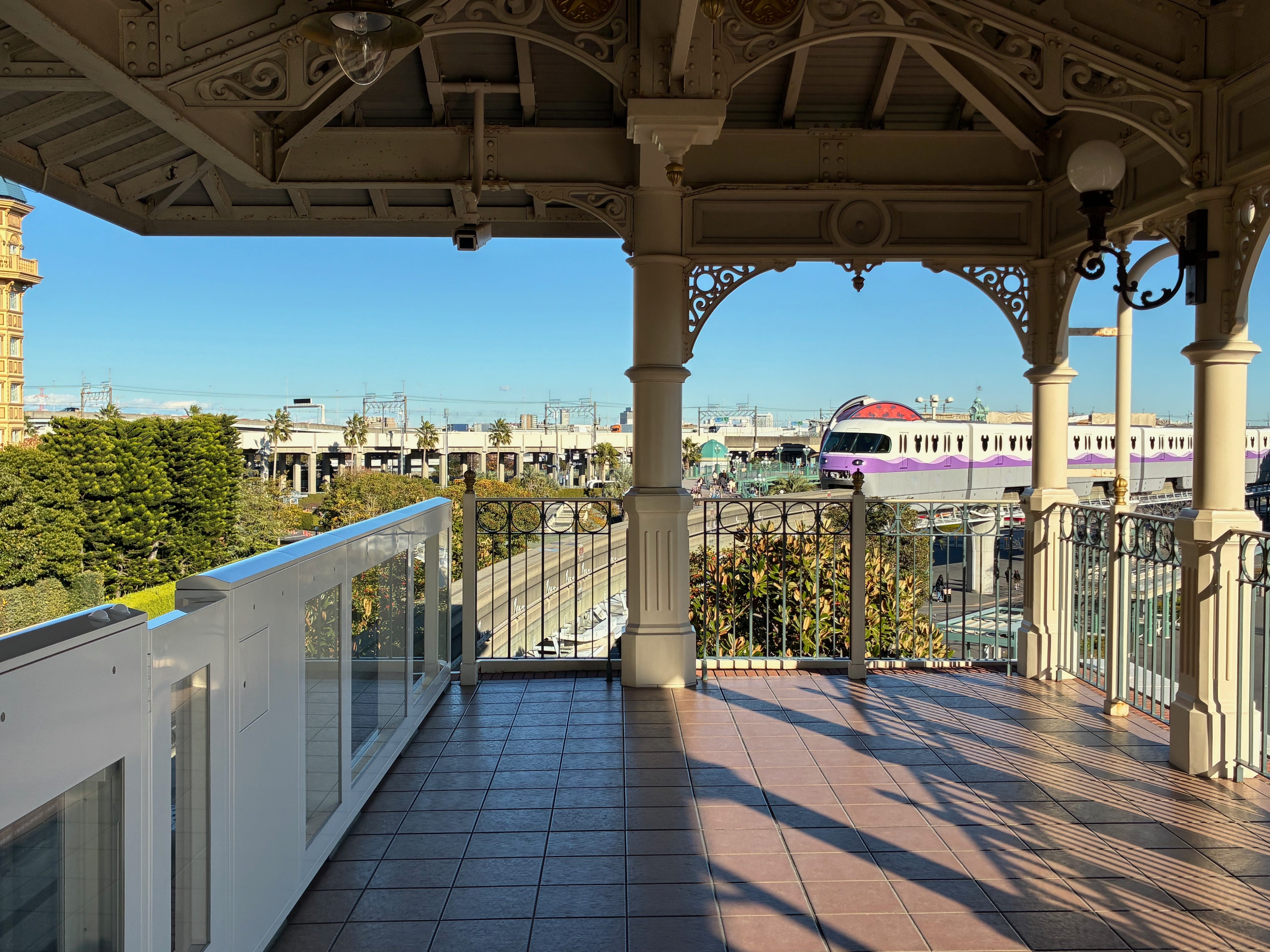
I perched on the edge of the bench on the train, running scenarios in my head at light speed. There was nothing else I could do but go to the Hilton and ask for help, but my whole nervous system was shouting at me to DO SOMETHING NOW. It felt impossible to calm down.
Next to me on the train sat an older Japanese gentleman. A woman who looked to be his wife sat to his right.
He said, with a concerned look: “Do you know where to go?”
He started to explain the stops on the train to me — that the partner hotels like the Hilton and the Sheraton were at the Bayside stop, and that if I were staying at one of those, I should get off there, and I could get a shuttle bus from the station.
I knew all of this, of course; I’m not the sort of person that goes anywhere without knowing how to get there, and I’ll admit that, at first, I was a little annoyed that he was telling me something I already knew.
But as he spoke, I realized something. He was trying to help. The look on my face… the tension in my body… He had seen my distress, and without knowing its cause, wanted to help, and so he was offering knowledge, on the off chance that it would.
And somehow, it did. For those brief few seconds, it took me out of my head and reminded me that I was in Japan, where visible distress is attended to with care and kindness.
Back at the Hilton, the desk clerk had lived in the US and spoke fluent English. He reassured me: “This is Japan; no one wants your passport” and checked me in without ID. He left notes in detailed Japanese so the concierge would know my situation in the morning.
Early the next morning, I went down to the concierge. The girl working there used Google translate to communicate with me and then begin calling the places I’d been. The taxi company hadn’t found it; Ikspiari and DisneySea weren’t open yet for calling; the hotel in Hiroshima… oh, my heart, when she looked at me and gave the smallest of nods while on the phone with the hotel in Hiroshima. They had it. They would deliver it, cash on arrival, and it would arrive by the morning of my departure from the Hilton.
It arrived a day early. Another concierge clerk crossed the lobby and sat with me while I opened it. I unwrapped layer after layer after layer of paper, then plastic, then more paper, then plastic — each one wrapped with perfect corners born of fastidious care.
“The Japanese way,” said the clerk, and we shared a knowing smile and a small laugh.
And it’s true.
This is Japan. The man on the train who couldn’t have known what was wrong, but tried to help anyway. The clerk who left notes for the morning staff. The hotel that wrapped a traveler’s passport as if it were something precious.
A culture that pays attention.
The relief of getting my passport back was immense. But the sense of pure trust, and the feeling that I never did have to worry — because this is Japan — was even greater.