


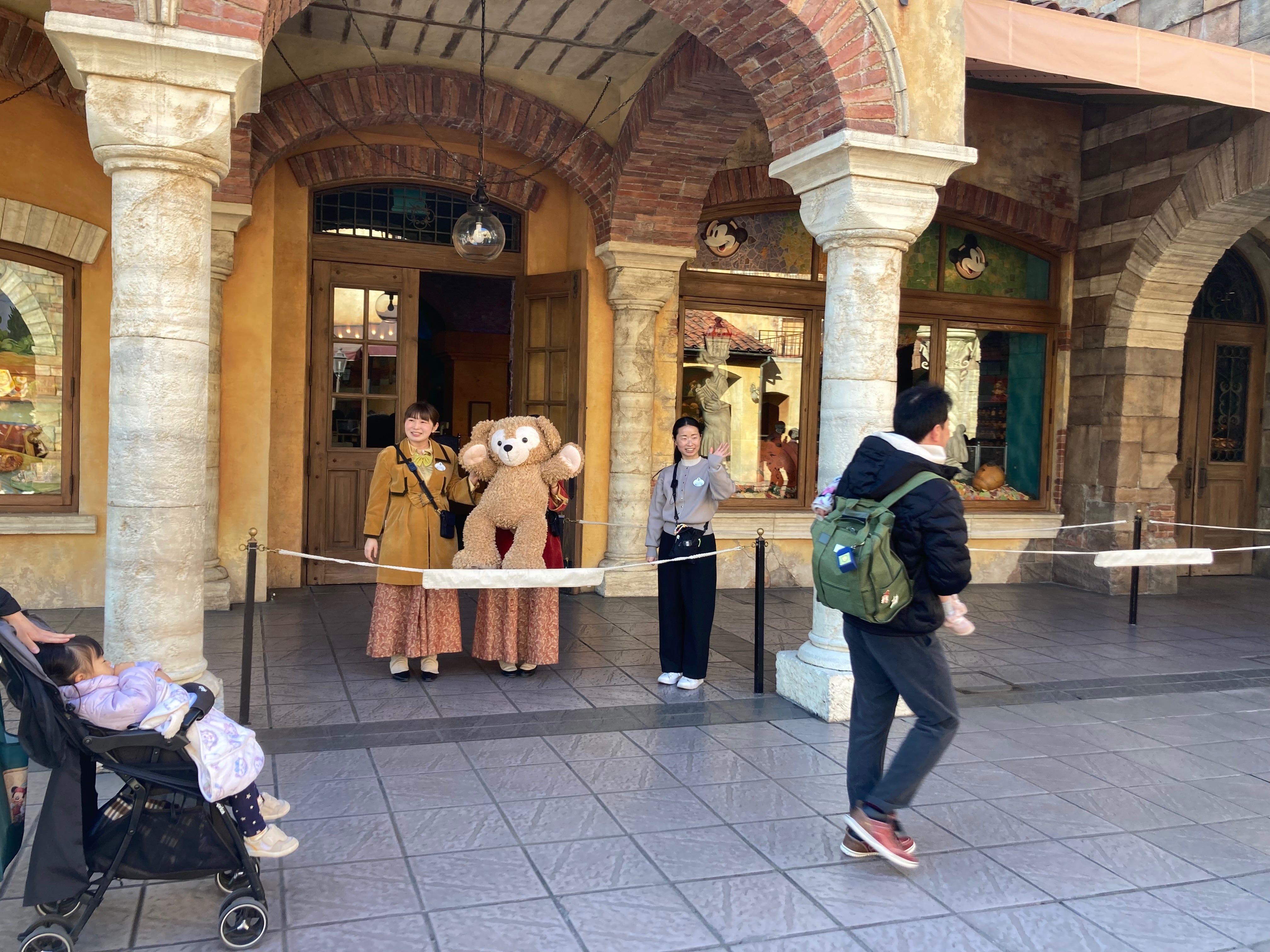
When you enter Tokyo DisneySea at the day’s opening, the cast waves, unironically. They share big, bright smiles and wave like every person in the crowd rolling into the park is an old friend they haven’t seen in years. The first time I went, one of the cast members held a huge stuffed Duffy bear and used his paw to wave at us. Ride operators and line attendants wave when you set off on a ride.
At the end of the night, after dark, everyone in the park, cast and guests alike, turns on their cell phone flashlights and uses them to wave at the guests in their hotel rooms in the Mira Costa, which looks out over the piazza of the park. The guests wave back. Like thousands of fairylights wiggling back and forth in the night, signaling human connection among strangers.
And it feels like things are the way they ought to be.
There is a unique spirit at Tokyo Disney — a pure, unadulterated, innocent, childlike joy that is not the exception, it’s the expected. It’s not just for children; it’s for adults; it’s for everyone — it just is the magic of life.
This is the coming together of the spirit of Disney with the soul of Japan, and they are more alike than one might expect.
Many people who are unfamiliar with the history of Disney and with Walt himself are skeptical of the Disney parks. They think of them as no big deal, just another theme park, just for kids, or that it’s all about rides, and Disney’s aren’t that great.
But Walt’s vision for Disneyland (the original, in Anaheim, CA) was unique in the world. At the time he conceived of it, most carnivals were dirty, dangerous, vice-ridden places (remember Coney Island in Disney’s animated Pinocchio? Pinocchio turns into an ass…), and even the few theme parks that existed were nothing like what Disney would eventually create. He wanted to create another world, “a place beautiful, safe, and filled with endless wonder.” (Alan Philips, The Age of Ideas: Unlock Your Creative Potential)
Disneyland was the first truly immersive theme park, with a focus on storytelling, where every detail, from cast behavior to food to the design of the trash cans, integrated seamlessly to never break the fourth wall and leave the guest feeling they’d truly entered another world.
“Here is the world of imagination, hopes, and dreams. In this timeless land of enchantment, the age of chivalry, magic and make-believe are reborn — and fairy tales come true,” Walt said of Fantasyland.
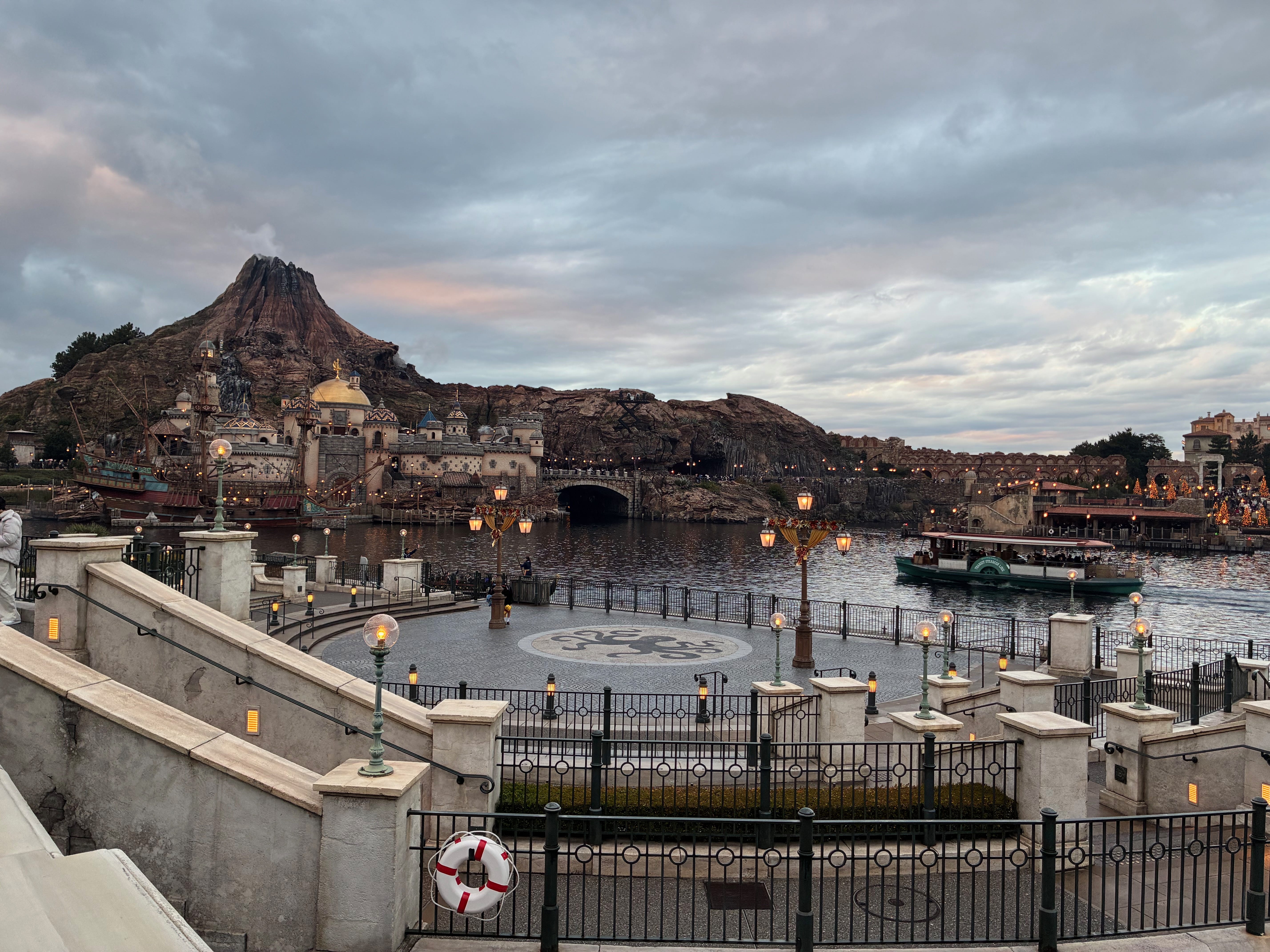
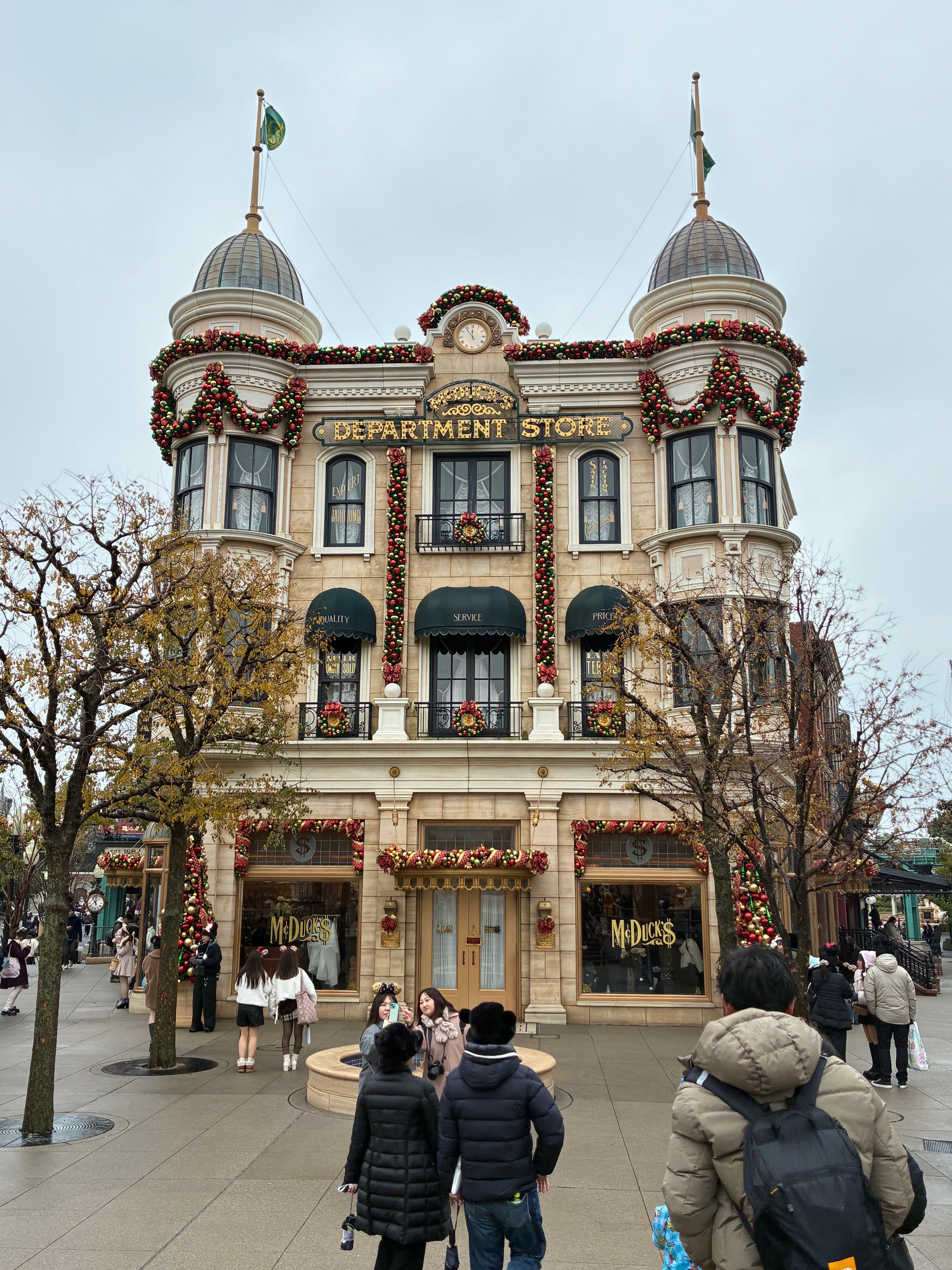
This attitude is clearly reflected in the details of the parks at Tokyo Disney. One of the merchants in the historic New York section at Tokyo DisneySea is named Robin Blind. I wondered, when I saw that, how many of the Japanese even get that joke? Tiny immersive details like this are everywhere for the soaking in.
But it is the magic of Japan that compounds the Disney magic and turns Tokyo Disney into something unique, more Disney than American Disney. Japanese culture carries a profound pride in doing well, even in the small things of life. Combine this with the concept of omotenashi — a philosophy of whole-hearted, anticipatory hospitality that is focused on genuine care and attention to detail — and the related high standards for cleanliness, and the vision of Walt Disney becomes real at a higher level than anywhere else.
Japan’s charming mixture of quaint past with strangely futuristic civilization echo the nostalgia of old New York and the visions of Tomorrowland, and their demanding high standards of excellence produce a Disney that genuinely feels like that other world Walt was striving for.
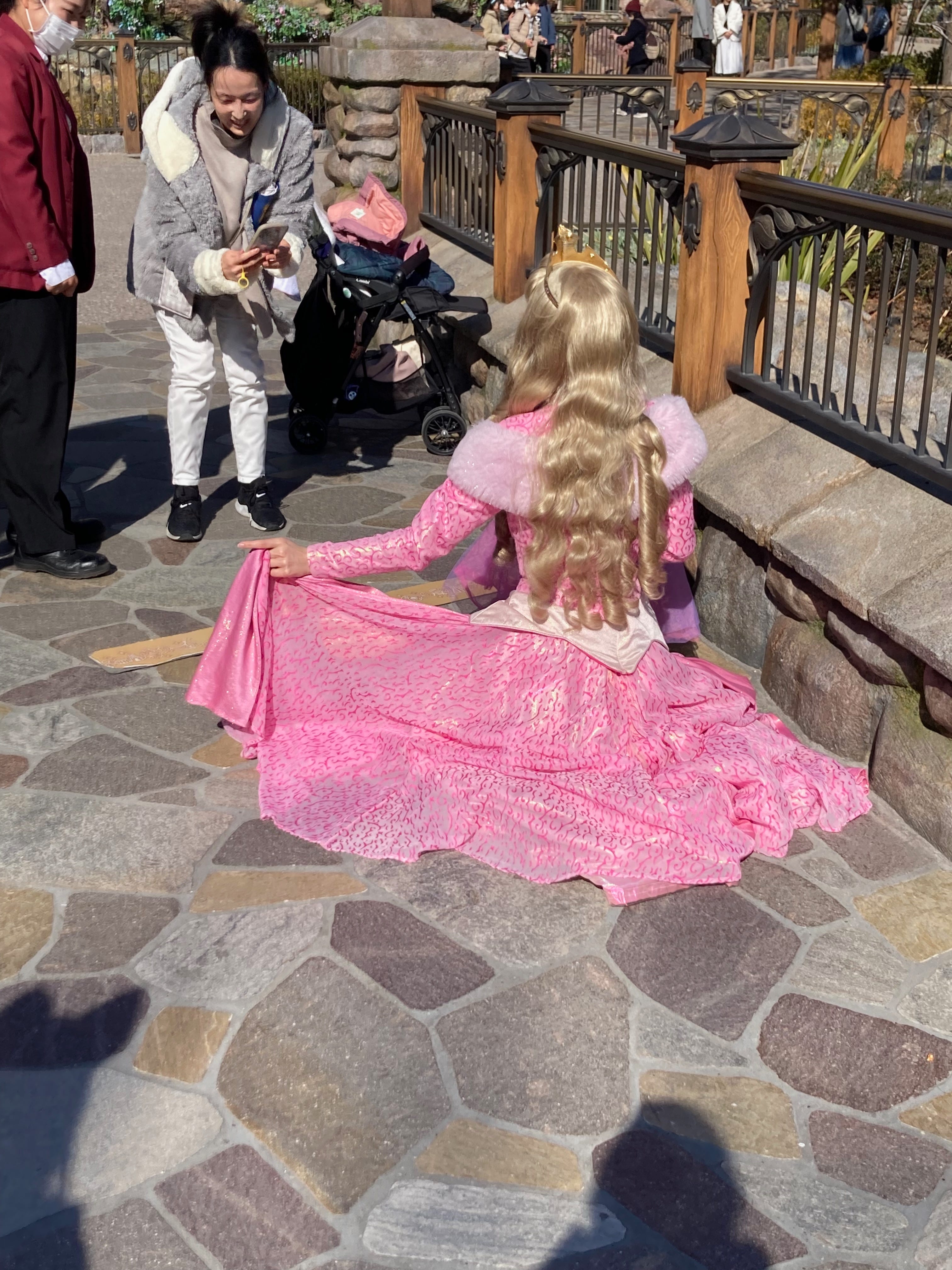
At Tokyo Disney, I watched as “Rapunzel” sat down on the ground in her long pink gown to hug a small girl who couldn’t have been more than two years old. The girl clung to Rapunzel for dear life, as the moments ticked away. Those standing around, including the girl’s family, started to giggle a bit as the hug went on, becoming uncomfortably long, and I was reminded of the Disney rule: The child always breaks the hug.
In one of the gift shops, I bought two keychains of a stuffed pink fox, Linabell, who is a friend of Duffy and a Tokyo DisneySea original. The girl at the register picked them both up and made them bow to me.
The wondrous details are everywhere. In the carving of the bedhead at the Mira Costa hotel. In the small paintings in the most unexpected places. In the way the Aristocats flirt and goof around with the hordes of Japanese girls in their Tokyo Disney Minnie the Mouse ears. In the way the cast members move to clean up the spilled popcorn almost before it hits the ground.
There are plenty of skeptics, of both Disney and of Japan, as if this sort of care and attention to detail couldn’t possibly be genuine. As if the world couldn’t possibly be ordered around their delight, and you have no right to expect it.
But the skeptics are wrong.
Here, at Tokyo Disney, Disney and Japan are both at their best, and so is life. The pure, innocent joy here is not frivolous: It’s totally serious, and totally real, and this unique place is one of the few on earth where adults have total permission to feel it without embarrassment.
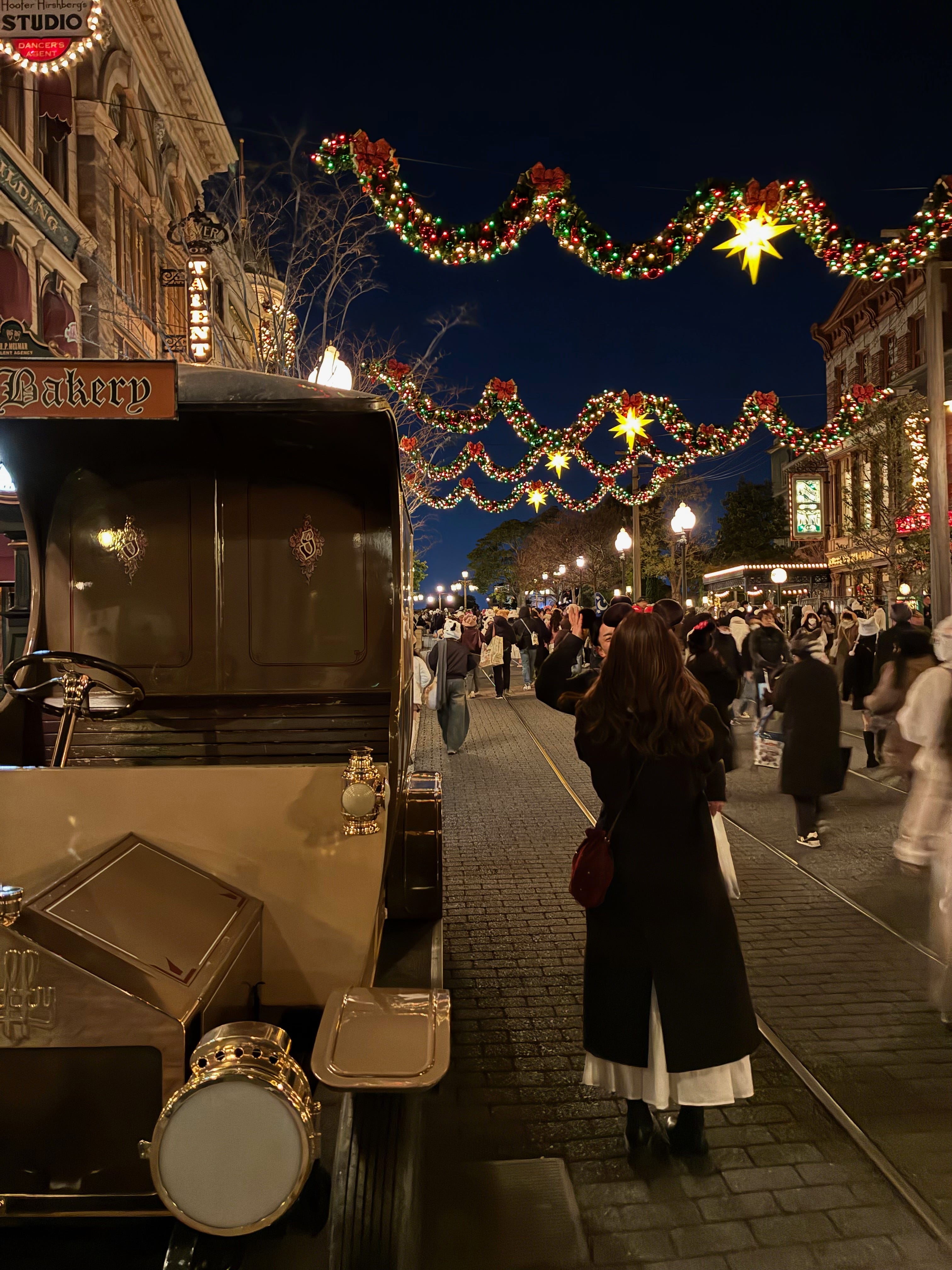
To say huge, undulating sugoiiiis in complete earnest.
To wave enthusiastically at one another with lit cell phones as they exit the park in the dark, with a feeling of joy lighting their hearts.
And to believe, if only while at Tokyo Disney, that life really is as romantic as we thought it would be when we were small children.