


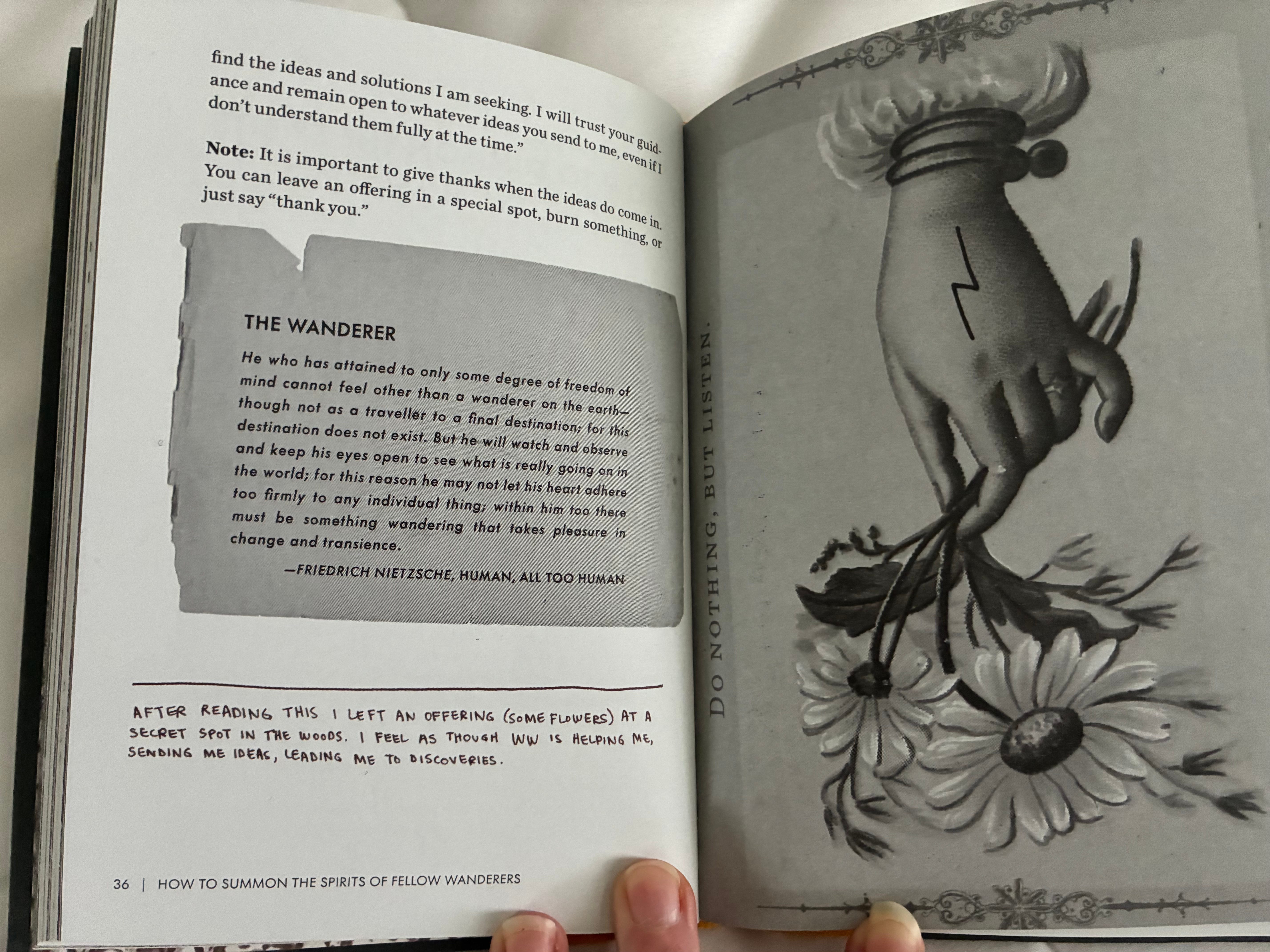
One of my favorite ways to “travel” is through books. I’ve been a voracious reader since I learned how at the age of four. There’s a certain kind of book that melts my soul when it finds its way to me, and it’s hard to explain. It’s not travel writing in the conventional sense, not self-discovery memoir, not adventure narrative. Something more like: books that have a quality of following curiosity into the unknown, that value the wandering over the arriving, that often have an aesthetic dimension — beautiful objects, strange places, the feeling of being lost in the best possible way. Slightly eccentric. Often visual or tactile in their sensibility. The kind of books that make you want to go somewhere without necessarily telling you where.
Here are five of my favorites of this kind of book:
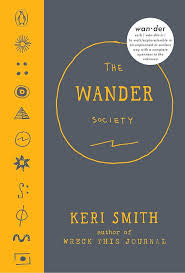
The Wander Society by Keri Smith
The Wander Society opens with a quote from a Walt Whitman poem: your very flesh shall / be a great poem. The author writes that she has stumbled on a secret society, finding mysterious notes in a library’s copy of Leaves of Grass by Walt Whitman. Sovlitur ambulando with a small thunderbolt symbol… The book itself is a collection of documents, handwritten notes, and vintage illustrations, all in service of a uncovering the philosophical manifesto of this strange collection of wandering folk who make up this seret society. It’s a wonderful fun romp that will get you out of your head and into the world.
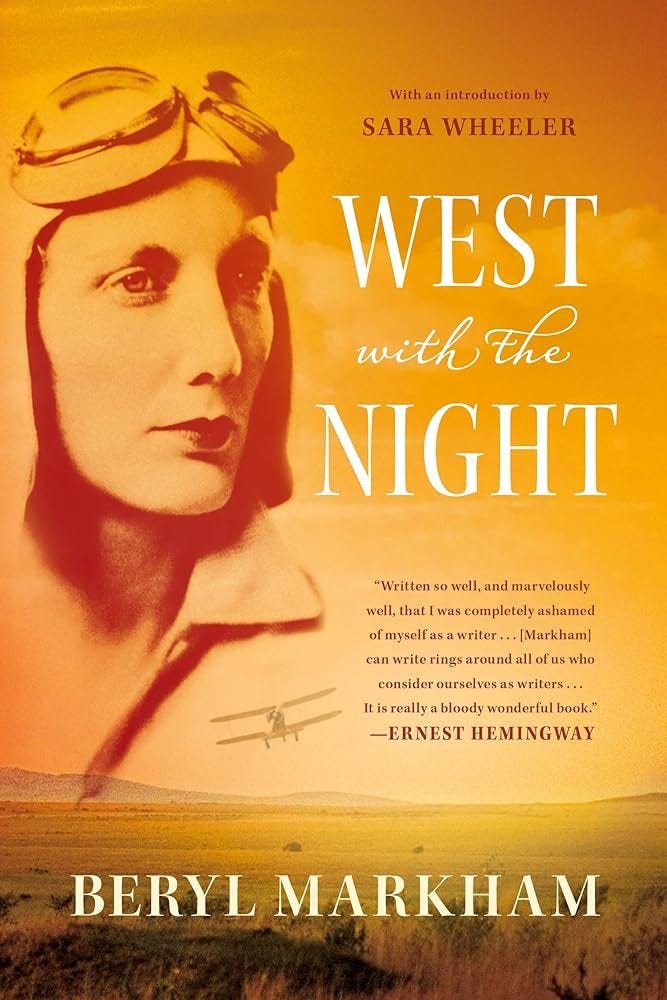
West with the Night by Beryl Markham
“I learned what every dreaming child needs to know — that no horizon is so far that you cannot get above it or beyond it.”
Beryl Markham was the first woman to fly the Atlantic solo from east to west and the first person to cross from England to America. She wrote the above quote of learning to fly, specifically about her early experiences as a pilot, the moment of understanding what it means to be airborne and to see the world from above. West with the Night is her memoir; she writes of her childhood in Kenya, working as a bush pilot in early adulthood, and her later life training race horses. She writes about all of it with a sensibility so precise and so breathtaking that Hemingway said she made him feel like a carpenter with words.
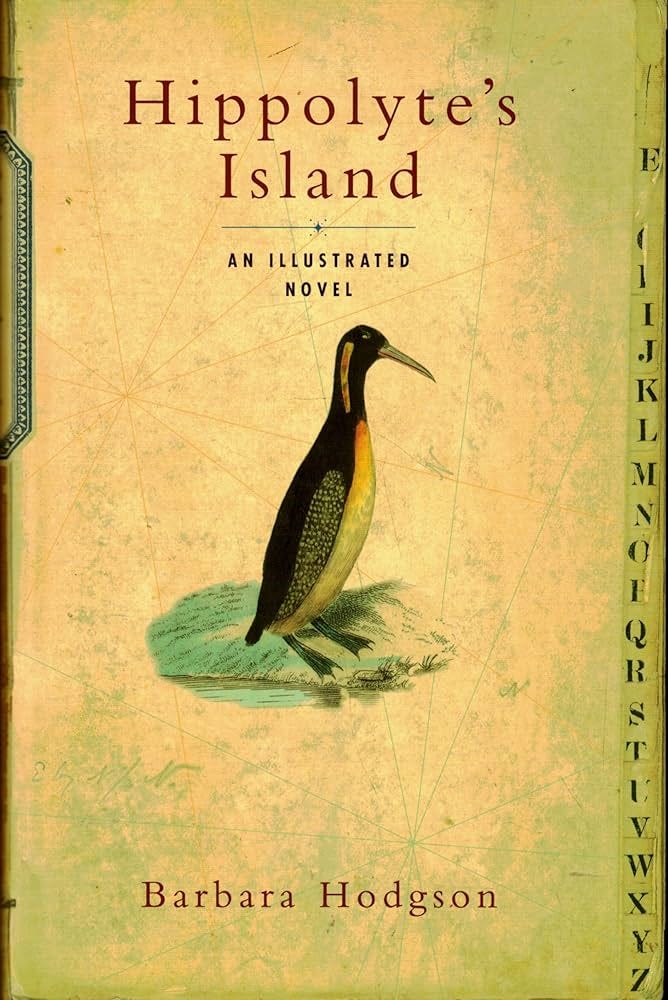
Hippolyte’s Island by Barbara Hodgson
Hippolyte Webb collects antique maps and atlases, and one day he notices something: the Aurora Islands, a tiny cluster of islands in the South Atlantic, appear on maps from the eighteenth century and then simply vanish from later ones. So he sets out to find them, equipped with a centuries-old chart, an inadequate sailboat, and an advance from a skeptical publisher. Whether he finds them — and whether they exist at all — is beside the point. This is a book about the particular madness of following an obsession wherever it leads, illustrated throughout with old maps, handwritten logs, sketches, and specimens that make it feel less like a novel and more like an artifact you’ve stumbled upon. (Hodgson co-founded her publishing company with Nick Bantock, author and artist of the decidedly Heartbeat Travel-approved Griffin and Sabine series.)

Obscure Cities, a series by Benoit Peeters and Francois Schuiten
A woman with mysterious markings on her back — tattoos that look like a map. A mission to a strange city where doors are blocked off and there are no children. Stones, appearing suddenly in different rooms of a man’s home, every one the exact same weight. A cube that grows and changes like something alive, integrating with the architecture of the city around it the way ivy integrates with stone.
This is the world of the Obscure Cities, and Francois Schuiten’s magnificent illustrations bring it to life. Open any of these books and you’ll feel that you’ve stepped in somewhere vast, grand, and strange — a city that operates by its own complex, slightly unknowable rules. The story itself lets you in enough to enjoy, but never to fully understand. The fullness of it is always just slightly out of reach. And somehow that’s the pleasure of it — the world is too large and too strange to be completely known, but each Obscure Cities story enchants so thoroughly that you’ll leave each one hungry for more.
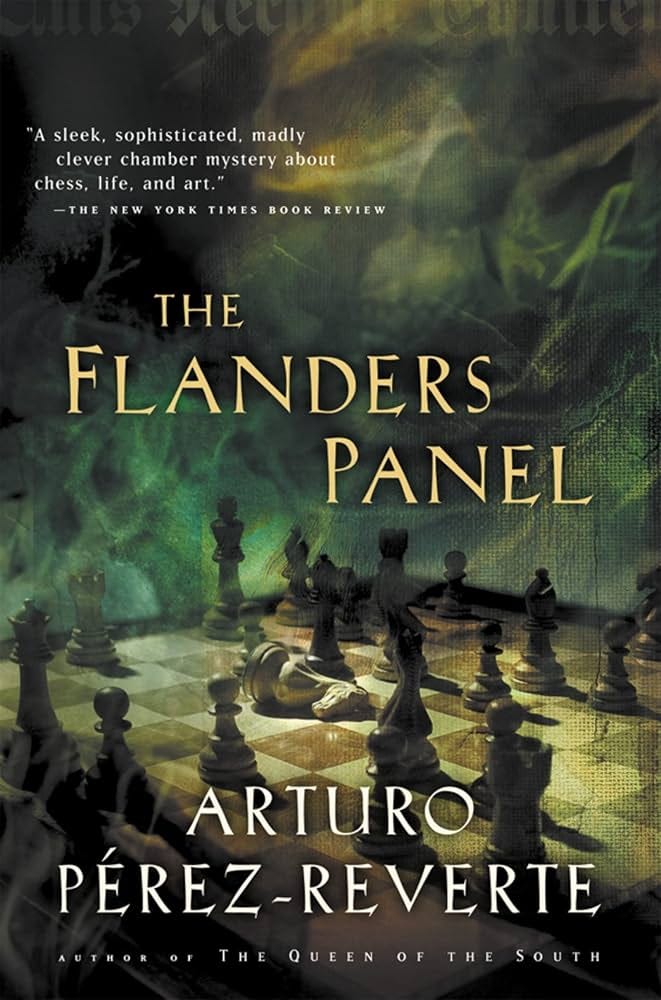
The Flanders Panel by Arturo Perez-Reverte
A fifteenth century Flemish painting. A chess game hidden within it. A question painted into the canvas — who killed the knight? — that a restorer discovers five hundred years later, pulling her into an obsession that becomes a murder mystery in the present. The Flanders Panel belongs on this list, not because it’s a travel book (it isn’t), but because it has the wandering soul’s essential quality: the conviction that the past and present exist in layers, that objects contain secrets worth pursuing, that following a hidden trail will always lead somewhere worth going. It is, in its way, a map of wonder.
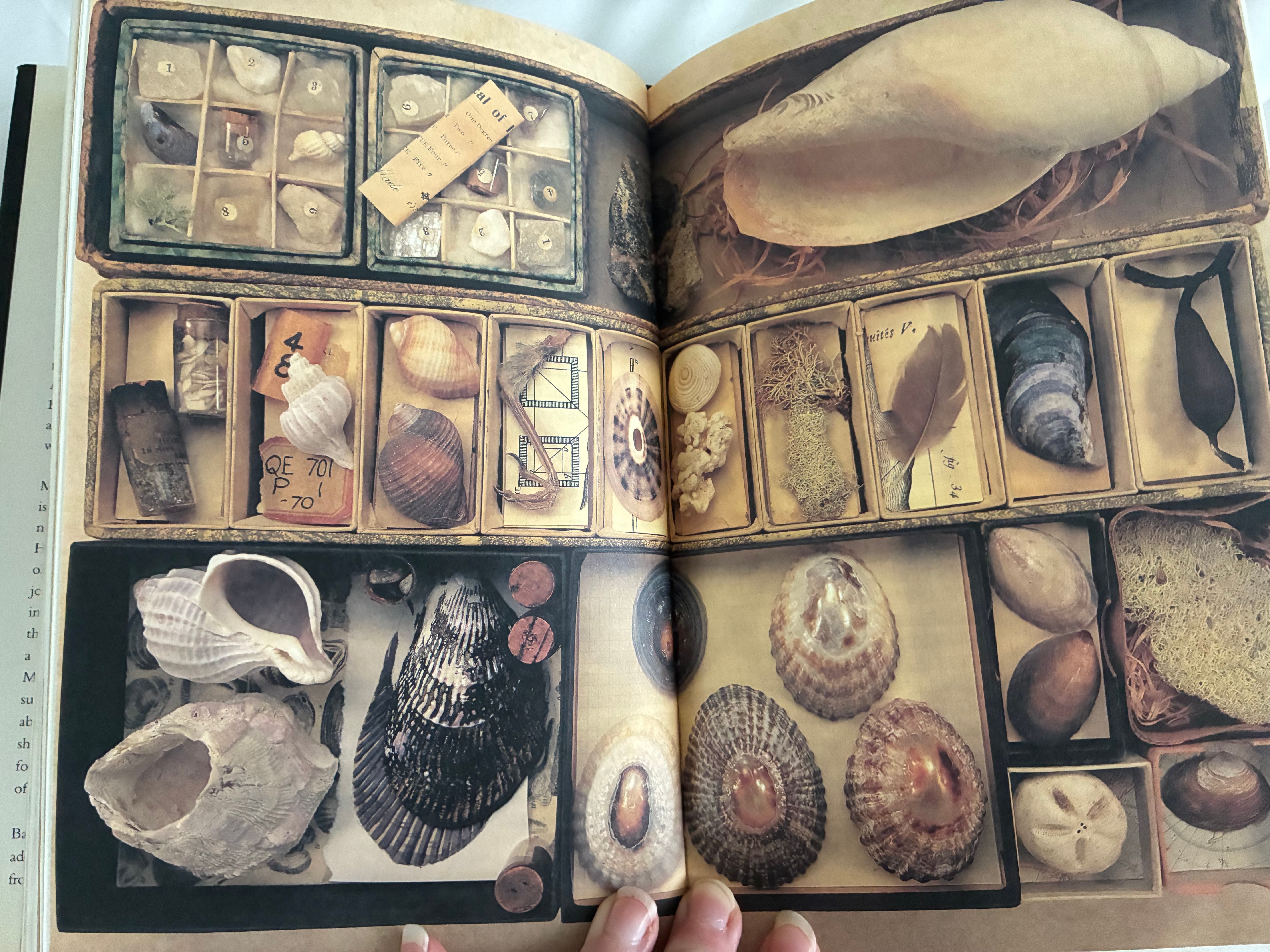
What connects these five books is harder to name than it is to feel. You know it when you find it — that particular quality of a world that rewards curiosity, that values the wandering over the arriving, that makes you want to follow the trail wherever it leads. I hope you enjoy them as much as I do.
If you know of others that give you the same feeling, share in the comments!