


The first time I saw a Leighton in person — Psyche’s Bath, at the Tate — it seemed to glow at me from across the room. That warm gold light, that quality of figures who seem lit from within rather than from without. I knew immediately, before I could read the label, that I was looking at a Leighton. There is no one else who paints quite like that. (And you can’t see it in a digital image; in-person is a completely different experience.)
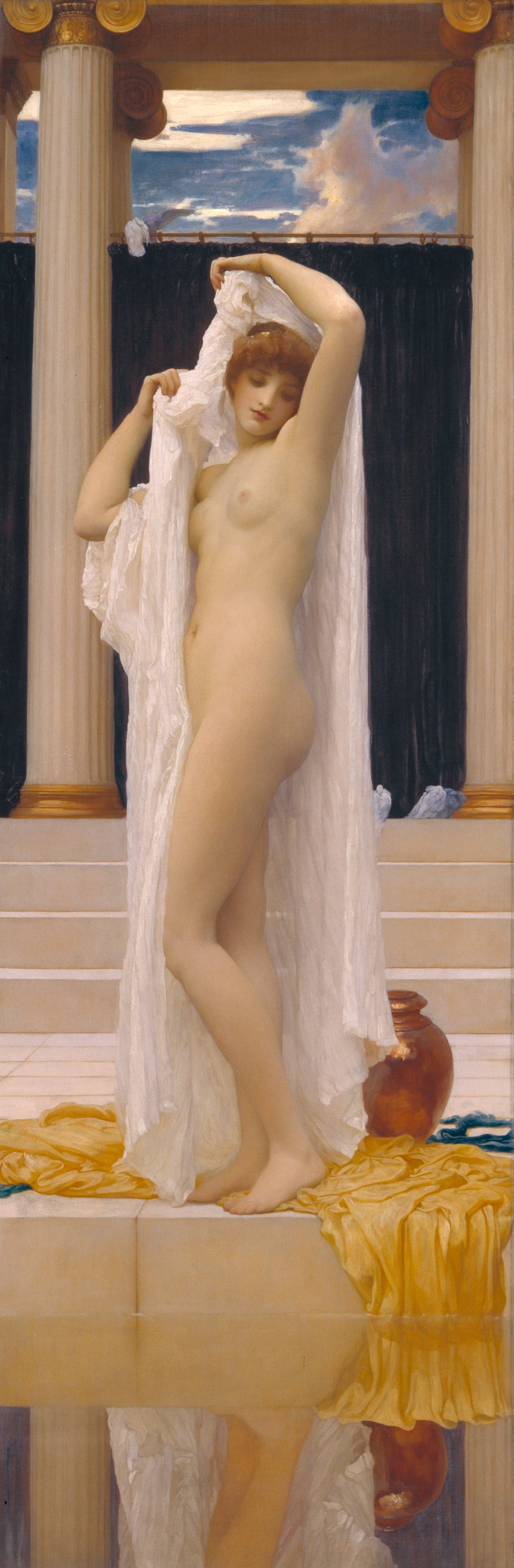
He was already my favorite artist when I first walked into his house.
Leighton House is in Holland Park, in a quiet residential street in west London that gives almost no sign of what lies behind its dark brick exterior. You walk in expecting a Victorian house museum — the kind of place where things are kept behind velvet ropes and the rooms smell faintly of dust and obligation. What you find instead is the interior life of an artist who spent thirty years turning his home into a work of art.
The Arab Hall left me breathless.
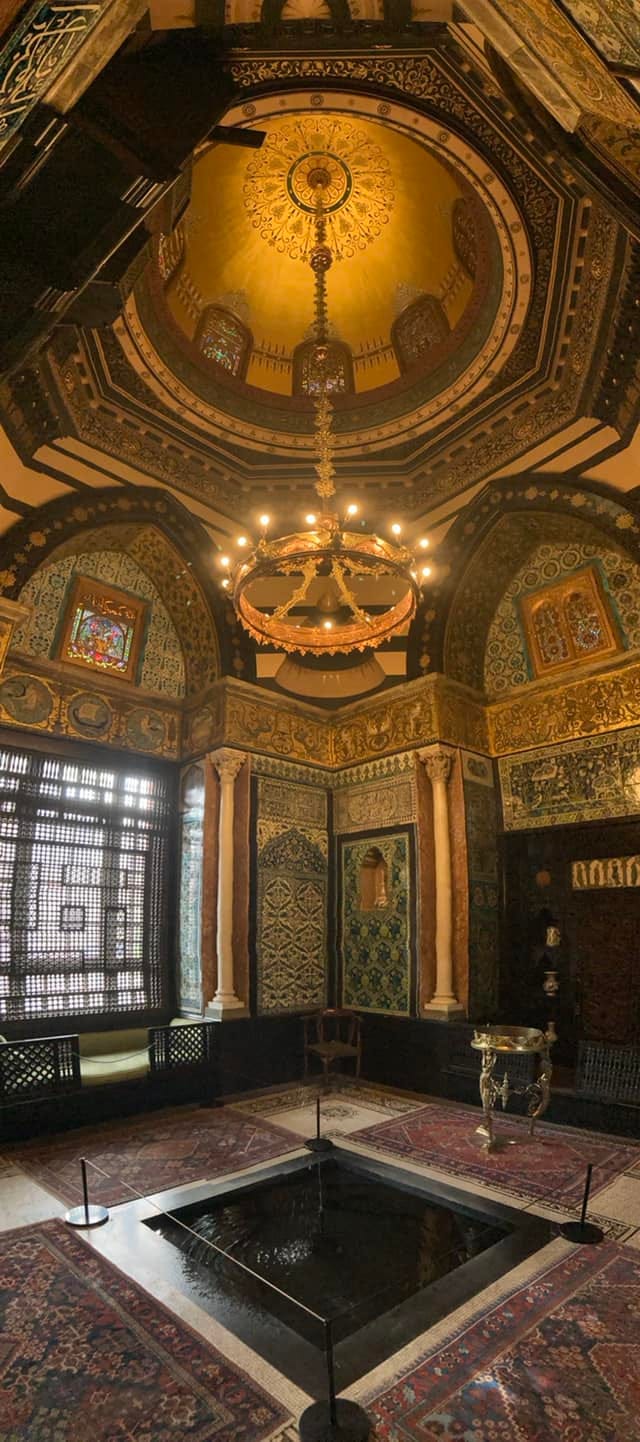
Leighton traveled obsessively through the Middle East and North Africa, collecting sixteenth and seventeenth century Islamic tiles wherever he found them — Damascus, Cairo, Rhodes — and brought them home to line the walls of a room he built specifically to hold them. The result is something that has no business existing in a Victorian terraced house in London: a space of golden mosaics and a domed ceiling, of intricate tilework climbing every surface, of a small fountain whose sound you hear before you see it. The light in that room has the same quality as the light in his paintings. It took me standing inside it to understand that the paintings weren’t just beautiful — they were a record of what he was reaching for, and this room was where he finally got there.
I first visited when I was nineteen, living twenty minutes away and not yet sure what kind of person I was becoming. On the landing of the staircase hung Orpheus and Eurydice — Leighton’s Eurydice already half-dissolved back into the underworld, Orpheus’s face turned away in the anguish of the rule he knew he was about to break. I had loved that painting in reproduction for years. Standing in front of the original, in the house where it was made, I understood something I hadn’t before: that the man who painted it had stood in these same rooms, walked up these same stairs, and carried inside him whatever it cost to make something that beautiful.
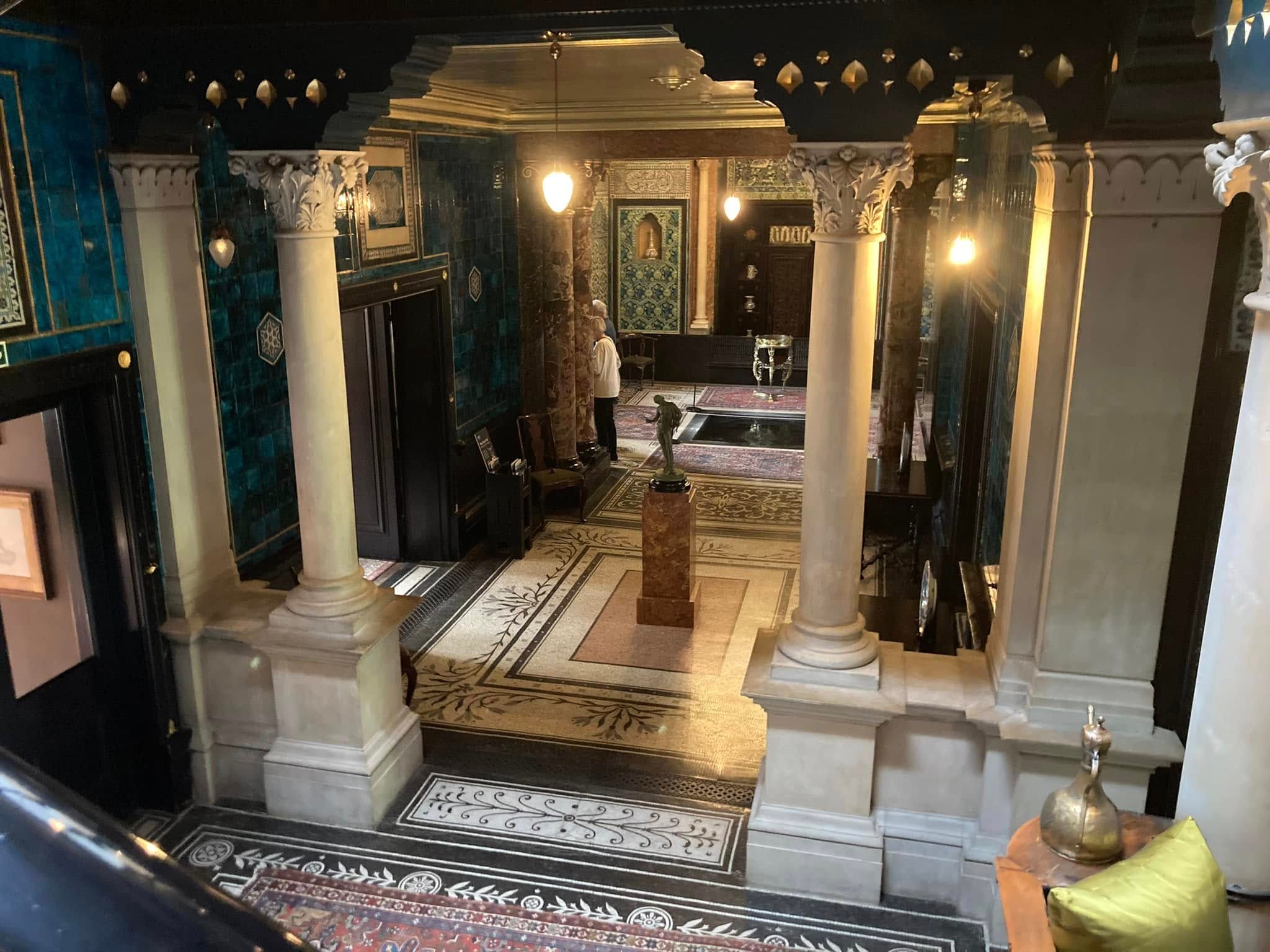
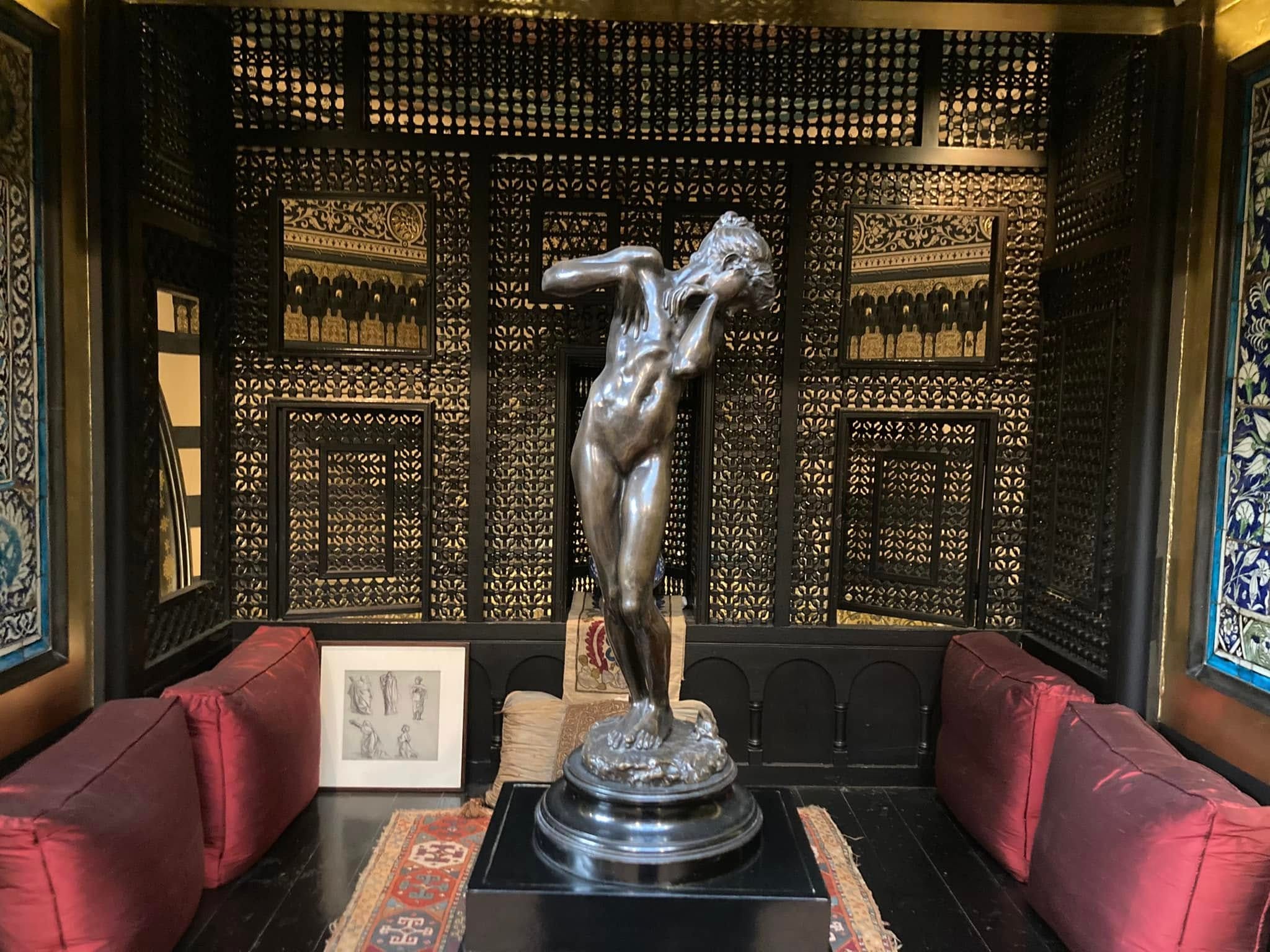
I have been back every time I’ve visited London since.
Leighton House is at 12 Holland Park Road, open Wednesday through Monday. Adult admission is £14 — worth every penny, and then some. You can also, these days, combine it with Sambourne House, a 10-minute walk away. (I have yet to fit this in!)
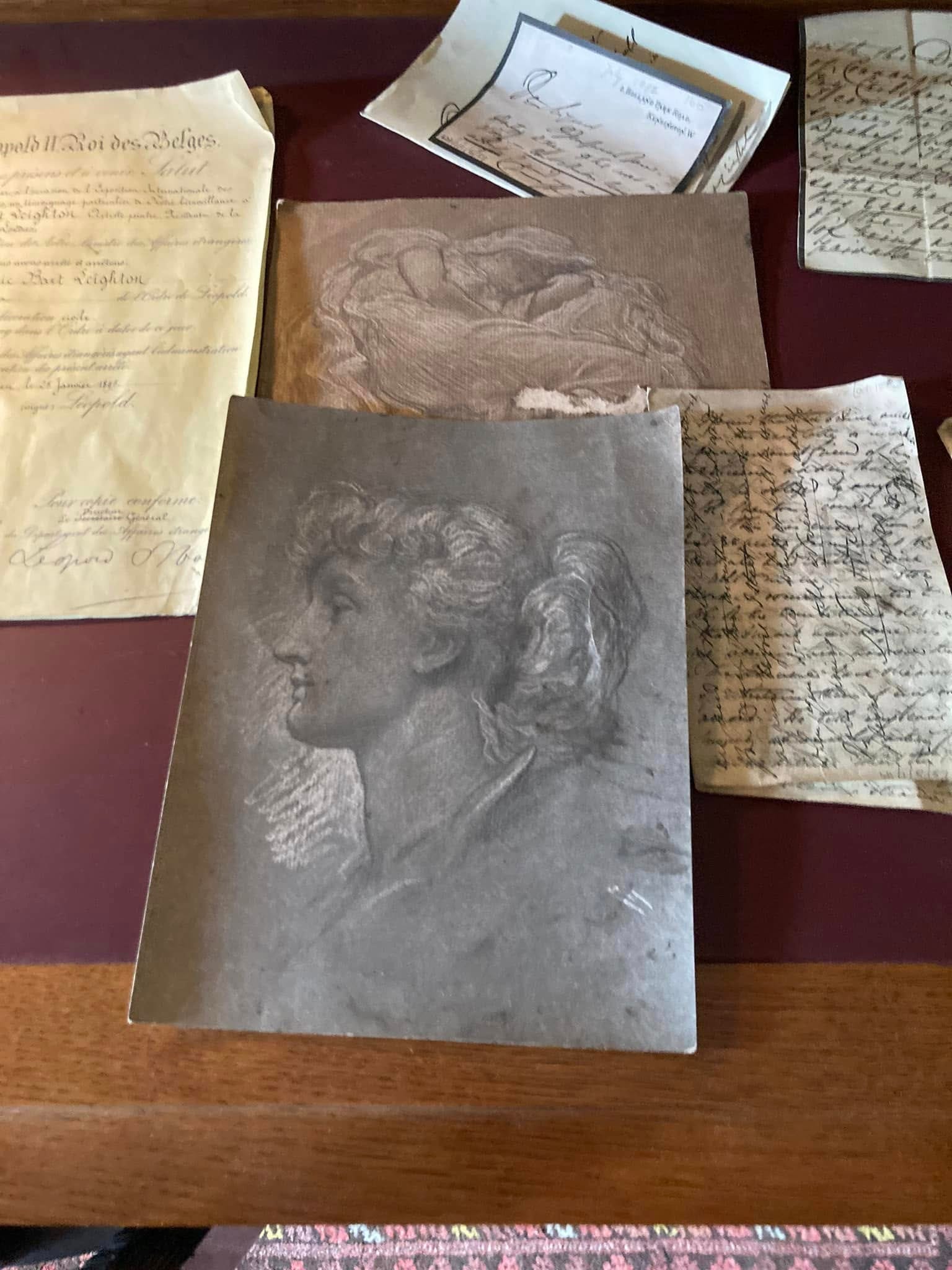
If you go this year, Leighton House is celebrating its centenary with a major exhibition dedicated entirely to the Arab Hall, the first time this extraordinary room has been examined in depth, with new research, site-specific installations, and a commissioned film in which the tiles themselves tell the story of where they came from. I can’t think of a better reason to book a flight to London.